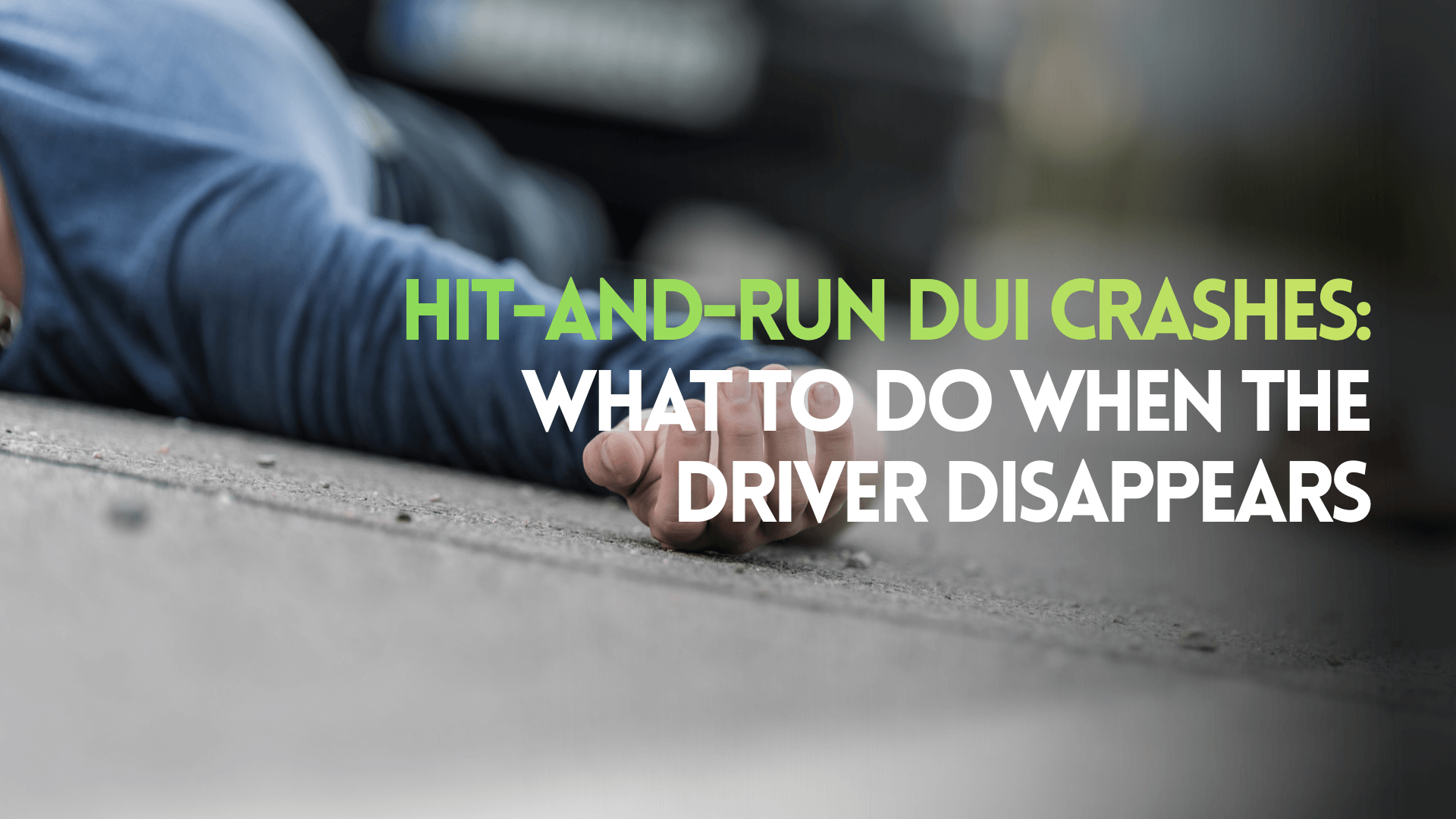
A hit-and-run is stressful on its own. Add suspected drunk driving and it becomes a perfect storm: you are dealing with injuries, shock, and the sick feeling that the person who caused this might never be identified.
If you were injured in a hit-and-run crash in Virginia, including Chesapeake and Hampton Roads, the steps you take right away can make a big difference. Evidence disappears quickly, memories fade, and insurance companies love ambiguity. This guide covers what to do first, what evidence matters most, and how compensation may still be possible even if the driver vanishes.
First Priority: Safety and Medical Care
Get to a safe location and call 911
If you can move safely, get out of traffic and call 911 immediately. Hit-and-run cases rely heavily on quick reporting. Even if you only caught a few details, early reports can help police locate the vehicle.
Get checked out, even if you think you’re okay
Adrenaline can mask injuries. Common crash symptoms can show up later: neck/back pain, headaches, dizziness, or confusion. Early medical care protects your health and creates documentation that links injuries to the crash.
What to Do at the Scene: A Quick Hit-and-Run Checklist
If you can do so safely, try to collect:
Vehicle details
Even partial information helps:
- Plate number (even a few characters)
- Make, model, color
- Stickers, dents, unique features
- Direction of travel
Location and time details
- Exact street/intersection
- Nearby businesses or landmarks
- Time the crash happened
- Weather and lighting
Photos and video
- Your vehicle damage
- The scene (lane markings, signals, debris)
- Any visible injuries
Witnesses
- Names and phone numbers
- Where they were positioned
- What they saw the other vehicle do before and after impact
If you suspect the driver was intoxicated, include any observations you made (swerving, speeding, wrong-way driving, delayed reactions). Don’t guess about facts you did not see. Just record what you observed.
Why Evidence Matters Even More in Hit-and-Run DUI Crashes
When the driver is unidentified, the claim often becomes a fight about proof:
- Did the crash happen the way you say?
- Who caused it?
- How severe are the injuries?
- What coverage applies?
The more objective evidence you preserve early, the less room there is for insurers to argue “we can’t confirm what happened.”
Video Footage: The Clock Is Ticking
In Chesapeake and throughout Hampton Roads, potential video sources may include:
- Nearby businesses
- Gas stations and convenience stores
- Residential doorbell cameras
- Parking lot cameras
- Dashcams from other vehicles
The problem is that video is often overwritten quickly. If you think footage might exist, act fast. A lawyer can help send preservation requests when appropriate, but the earlier you identify potential camera locations, the better.
Can You Still Recover Compensation If the Driver Is Never Found?
Often, yes. But the path is different.
Uninsured Motorist (UM) coverage may be the key
When the at-fault driver is unknown or uninsured, uninsured motorist coverage can become the primary route to compensation. UM may be available through:
- Your auto policy
- The policy covering the vehicle you were in
- Sometimes a household family member’s policy, depending on the situation
UM claims can still be contested. That’s why documentation and careful communication matter.
What damages might be covered?
In general, injury claims may involve:
- Medical expenses
- Lost wages and time missed from work
- Pain and suffering
- Impact on daily life activities
What applies depends on the facts and coverage. The important point is this: the driver disappearing does not necessarily eliminate your options.
What If You Suspect the Hit-and-Run Driver Was Drunk?
Drunk driving suspicion can matter in several ways:
- It can help law enforcement prioritize the search
- It can support liability arguments based on erratic driving behavior
- It can influence how a claim is presented and evaluated
But remember: a criminal DUI case and a civil claim are separate. Even if police suspect intoxication, your injury claim still needs clear evidence and medical documentation.
Common Insurance Traps in Hit-and-Run Claims
Recorded statements that turn into blame-shifting
Adjusters may push for a recorded statement early. In hit-and-run cases, they may look for inconsistencies to argue:
- You caused the crash
- Your version is uncertain
- Your injuries are unrelated or exaggerated
If you are unsure about details, do not fill gaps with guesses. It is okay to say you don’t know.
“There isn’t enough proof the other driver caused it”
This is why early reporting, photos, witnesses, and video are so important. Ambiguity is the insurer’s best friend.
Delay tactics
Hit-and-run claims can drag when coverage questions are involved. Keeping your documentation organized and getting early guidance can help keep the process moving.
What to Do After the Scene: The Next 7 Days Matter
Follow medical advice and avoid treatment gaps
Insurers use gaps to argue the injury was not serious. Keep appointments and document any barriers (cost, transportation, scheduling).
Keep a symptom and activity log
Track:
- Pain changes
- Sleep issues
- Driving anxiety
- Missed work and restrictions
- Activities you can’t do normally
Save all crash-related paperwork
- Police report info
- Towing and repair records
- Medical records and bills
- Wage loss documentation
When to Call a Chesapeake Hit-and-Run Injury Lawyer
Consider calling an attorney sooner rather than later if:
- You have meaningful injuries or ongoing treatment
- The driver is unidentified (or you suspect they are uninsured)
- There may be video evidence that needs to be preserved quickly
- Fault is being questioned
- The insurer is pushing for a recorded statement or quick settlement
Early legal help often focuses on evidence preservation, coverage analysis (including UM), and preventing avoidable mistakes.
If you were injured in a hit-and-run crash in Chesapeake or Hampton Roads and the driver disappeared, you don’t have to guess your way through the next steps. Contact Bordegaray Injury Law for a Free Consultation by calling 757-505-HURT (4878) or visiting nbinjury.com.
No Fee Until We Win.
